

If you’ve come home to find that your dog has started pooping in your home, it can be frustrating and puzzling. After all, your dog is usually well-trained, and accidents like this can feel out of place. However, there are many possible reasons why a dog might suddenly start pooping indoors. Understanding the root cause of the behaviour is the first step in addressing it and helping your dog regain proper house training.
The short answer
Most dogs who suddenly start pooping indoors fall into one of five categories, a health issue such as an upset stomach or incontinence, stress or anxiety, incomplete or lapsed house training, a recent change in diet, or age-related changes like arthritis or cognitive decline. Work through the possibilities below to narrow down which one fits your dog, and check the list underneath first if you’re worried it might be medical.
If the accident’s already happened, here’s how to get the smell fully out of your carpet.
See a vet promptly if you notice:
- Blood or mucus in the stool
- Repeated accidents over several days, rather than a one-off
- Lethargy, vomiting, or a loss of appetite alongside the accidents
- A sudden change in an older dog’s awareness or behaviour, not just their toileting
If any of these sound familiar, it’s worth booking a vet visit before working through the training-focused causes below, some of what’s covered here needs medical treatment rather than a change in routine. Our guide on what normal dog poop looks like is a useful next read if you’re trying to work out whether what you’re seeing is a cause for concern.
1. Health Issues: Medical Reasons Why Your Dog Has Suddenly Started Pooping In The House
One of the most common reasons a dog might start pooping in the house is a health problem. Illness or discomfort can make it harder for a dog to control its bowel movements. Some common health issues that may cause a dog to poop indoors include:
Gastrointestinal problems
Diarrhea, constipation, or an upset stomach can cause urgency, leading to accidents indoors. If your dog is pooping in the house more frequently, or the stool is unusually soft or bloody, a vet visit is essential to rule out conditions like infections, parasites, or food intolerances.
Incontinence
Just like humans, dogs can experience incontinence as they age. This is especially true for senior dogs who may have less control over their bladder and bowels. Incontinence can also result from spinal cord injuries or neurological conditions.
Chronic conditions
Diseases such as colitis, pancreatitis, or irritable bowel syndrome (IBS) may cause a dog to have more frequent accidents. If your dog has recently been diagnosed with any chronic condition, this could be a contributing factor.
If you suspect that your dog’s accidents may be health-related, consulting a veterinarian is crucial. Early diagnosis and treatment can prevent further accidents and discomfort for your dog.
Is your dog experiencing urinary incontinence? Find out more about how to manage this in our expert guide to urinary incontinence in dogs.
2. Stress and Anxiety: Emotional Triggers for Indoor Accidents
Dogs are sensitive to changes in their environment, and stress or anxiety can lead to unexpected accidents. Just like humans, dogs can struggle with emotional triggers that affect their behaviour, and pooping indoors can be a sign of distress.
Separation anxiety
Dogs that experience anxiety when left alone may show signs of stress, including indoor accidents. Separation anxiety can cause dogs to become agitated and lose control of their bladder and bowels when their owners are away.
New environment or changes
Moving to a new home, a change in the household routine, or the addition of a new pet or family member can trigger stress. Dogs may feel insecure in unfamiliar surroundings and resort to indoor accidents as a response.
Loud noises or stressful events
If your dog is particularly sensitive to loud noises like thunderstorms, fireworks, or even construction sounds, they may react with anxiety that leads to pooping indoors. These types of stressors can cause a dog to lose control over their bodily functions.
To help manage anxiety-related accidents, try providing a safe and quiet space for your dog when you’re not around, and consider using calming aids like pheromone diffusers or anxiety wraps. If anxiety is severe, a veterinarian or animal behaviorist can provide guidance on how to alleviate your dog’s stress.
3. Lack of Proper House Training: Reinforcing Good Habits
Sometimes, the problem isn’t physical or emotional; it’s a matter of incomplete or inconsistent house training. If a dog hasn’t been properly trained to go outside, or if they’re not getting enough opportunities to relieve themselves outdoors, they may resort to pooping in the house. This is particularly common with puppies or newly adopted dogs who may not yet understand where it’s appropriate to go. A Piddle Patch real grass dog toilet is the ideal indoor dog toilet solution for those dogs in need of a natural, grassy area to go potty in.
Inconsistent routines
Dogs thrive on routine, and if they are not let outside regularly or at consistent times, they might not be able to hold it until they’re outside. Make sure your dog has frequent bathroom breaks, especially after meals, naps, and play sessions.
Training lapses
If house training was interrupted, perhaps due to a move, changes in the family’s schedule, or a lack of reinforcement, it can lead to accidents indoors. Inconsistent training can confuse your dog about where they should go potty, leading them to make mistakes. Revisiting house training is often the best approach to addressing this issue. Our complete guide to house training a puppy covers the full method if you want to refresh the fundamentals. Reward-based training methods, consistent routines, and patience can help reinforce the desired behavior. It may take time, but with dedication, most dogs can regain their indoor manners.
If you’re interested in learning more, check out our helpful guide on how to housetrain a rescue dog.
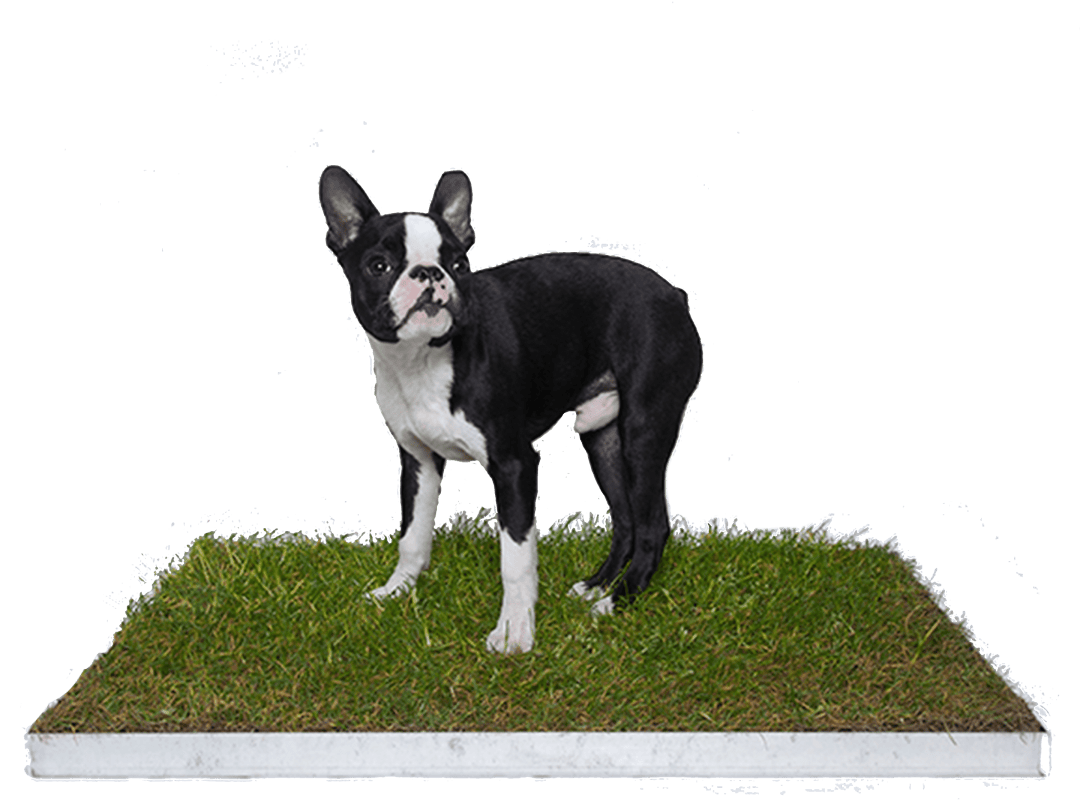
Give them somewhere reliable to go indoors
The Starter Pack is a living grass patch plus the non-chew tray. £58.95, next-day mainland UK delivery.
4. Dietary Issues: Pooping in the House Due to Food Problems
What your dog eats has a big impact on their digestive system and can influence their bathroom habits. Sometimes, indoor accidents happen because of changes in diet, food intolerances, or poor-quality food.
Dietary changes
A sudden change in your dog’s diet can lead to digestive upset and accidents. If you’ve recently switched your dog’s food, this could be the cause of their indoor pooping. Gradually transitioning between old and new food can help prevent digestive problems.
Food sensitivities or allergies
Some dogs have sensitivities or allergies to certain ingredients in their food, like grains, soy, or dairy. These can cause gastrointestinal distress, including diarrhea or urgency, which may lead to accidents in the house.
Low-quality food
Some commercial dog foods are high in fillers, which can be difficult for dogs to digest and may result in gastrointestinal issues. Consider switching to a higher-quality food with natural ingredients if you suspect food-related issues.
If your dog’s diet may be the culprit, speak with your veterinarian about adjusting their food to address any sensitivities or improve their digestive health. Sometimes, a simple dietary change can resolve the problem.
5. Age-Related Factors: Senior Dogs and Toileting Accidents
As dogs age, they may experience a range of physical changes that affect their ability to hold it until they’re outside. Senior dogs may develop conditions such as arthritis, cognitive dysfunction, or weakened bladder control, which can contribute to indoor accidents.
Cognitive Dysfunction Syndrome (CDS)
Similar to dementia in humans, this condition can affect older dogs, leading to confusion and a loss of house training skills. Dogs with CDS may forget where they should go potty or become disoriented, leading to accidents indoors.
Arthritis or mobility issues
If your dog has difficulty walking or standing due to arthritis or another mobility issue, they may not be able to get outside in time to relieve themselves. This is especially common in senior dogs.
If you have an older dog, it’s important to be patient and understanding as they age. Making adjustments to your dog’s environment, such as more frequent bathroom breaks and easier access to outdoor areas, can help reduce accidents. As dogs age, it can become an increasing challenge for them to get outside to their designated toilet spot in time. An indoor dog toilet made from fresh grass can be a natural solution to this problem. To find out more, check out our guide on how to transition an older dog to a Piddle Patch real grass dog toilet.
Understanding the why behind why your dog has started pooping in the house
There are many reasons why a dog might start pooping in the house, from medical issues to emotional stress, inconsistent house training, dietary changes, or age-related factors. Identifying the cause is the first step in addressing the problem and finding an appropriate solution. If the behaviour persists or you suspect a health issue, consulting a veterinarian is essential to rule out medical causes and get professional advice.
Remember, accidents happen, but with patience, understanding, and proper care, most dogs can return to their well-behaved, house-trained selves.
FAQs
Is it normal for a house-trained dog to suddenly start pooping indoors?
It’s more common than it feels in the moment. A dog who’s been reliably house trained for months or years can still have accidents because of a health issue, stress, a diet change, or getting older. It doesn’t mean the original training has failed, the cause is almost always identifiable once you work through the possibilities above.
When should I worry about my dog pooping in the house?
Treat it as urgent if there’s blood or mucus in the stool, if it’s happening repeatedly rather than as a one-off, or if your dog seems lethargic, is vomiting, or has stopped eating. Those signs point to a health issue that needs a vet’s attention rather than a training fix.
Can stress and anxiety really cause a dog to poop indoors?
Yes. Dogs can lose control of their bowels when they’re anxious, whether that’s from separation anxiety, a house move, a new pet or family member, or loud noises like fireworks or thunderstorms. Addressing the underlying stress, rather than the accidents themselves, is usually what resolves it.
Should I punish my dog for pooping in the house?
No. Punishment doesn’t address the underlying cause, whether medical, emotional or training-related, and can make a dog more anxious or secretive about toileting, which makes the problem harder to solve. Stay calm, clean up thoroughly, and work through the possible causes instead.
Could an indoor dog toilet help while I get to the bottom of this?
If the cause turns out to be incomplete training, older age, or reduced mobility, giving your dog easy, reliable access to a natural toileting spot indoors or on a balcony can make a real difference while you work through the rest. Our Real Grass Dog Toilet is designed for exactly that.
Real grass, delivered to your door
Grown in the UK, harvested to order, and ready the moment your dog needs somewhere dependable to go. Pick the option that fits how you want to buy.
Starter Pack
£58.95
Your first patch plus the non-chew tray, so the setup is sorted in one go.
Subscription
from £28.95
Every 1–4 weeks, cancel any time. New subscriber discounts available.